

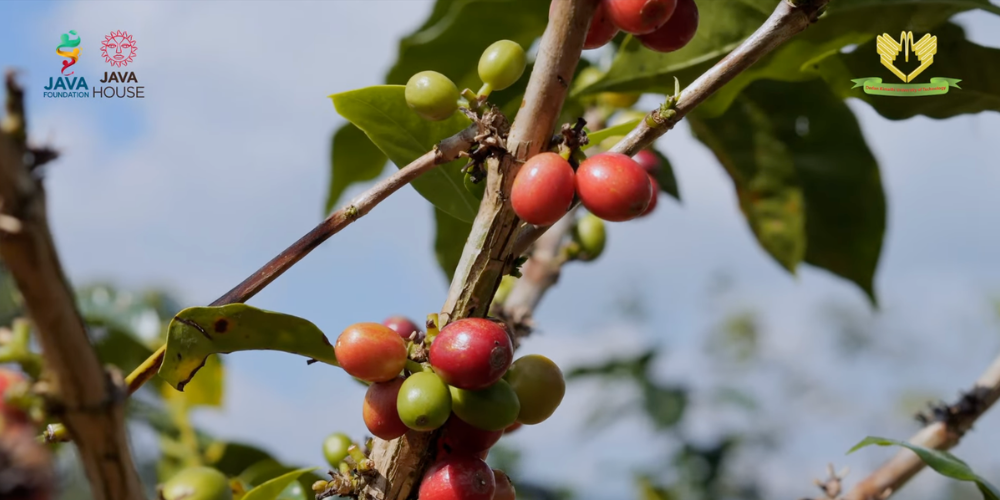

Kenya produces some of the finest coffee in the world, but beneath the reputation lies a sector under quiet, mounting pressure. While climate change, competition, and price volatility are significant threats, the absence of a skilled generation to drive the sector’s future demands immediate attention.
A 2020 report found that majority of coffee farmers in Kenya are men over 60 years of age. This is a warning that the transfer of critical production skills accumulated over decades of working the land is slowing. Younger Kenyans, faced with limited structured entry points into the coffee value chain and few visible career pathways, have largely looked elsewhere. The result is an expertise gap that, if left unaddressed, will quietly erode the foundations of a sector that earned Kenya KES. 43.36 billion between January and September 2025, the highest earnings the industry has ever experienced.
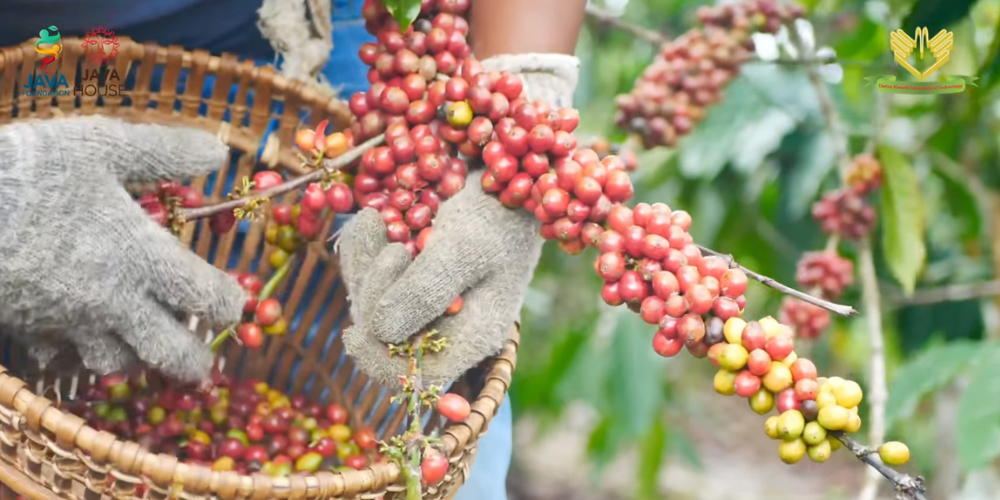
It is important to note that the challenge runs deeper than farming. Today, the industry demands competence across an increasingly complex value chain. Evolving customer preferences, particularly the global shift toward specialty and single-origin coffee, have raised the bar for quality at every stage of production. Buyers now expect consistency in processing, precision in grading, and traceability from farm to cup.
Meeting those expectations requires professionals who understand agronomy well enough to improve yields without compromising bean quality, quality controllers who can distinguish between fermentation profiles, processors who know how handling affects what ends up in the cup, and marketer who can position Kenyan coffee compellingly in a crowded global market. None of these skills are developed by accident.
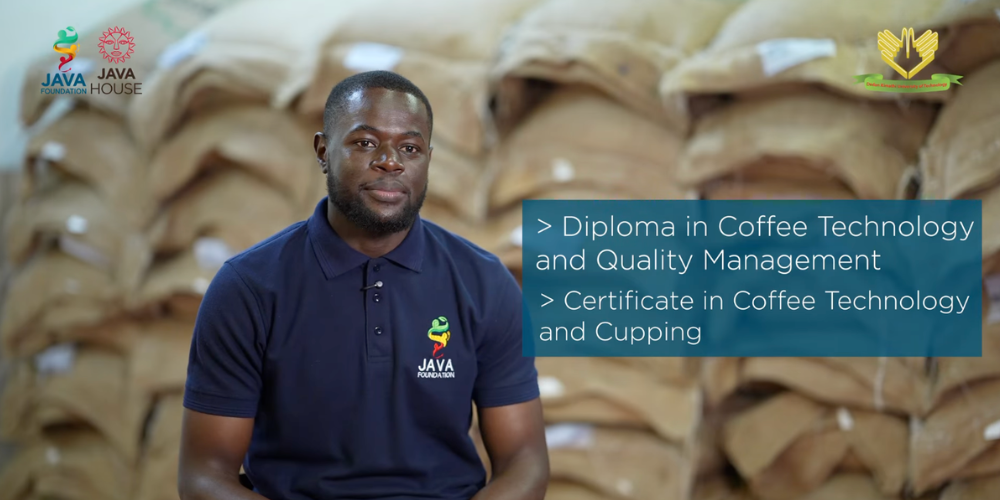
Unfortunately, Kenya’s coffee talent pipeline is the victim of underinvestment with technical and vocational training in coffee remaining underfunded and undersubscribed. University courses that cover the science and business of coffee are few. The informal apprenticeship model where skills are passed from experienced farmers to younger mentees is weakening as farming communities age and rural-to-urban migration accelerates.
Meanwhile, the global specialty coffee market continues to grow, and competition origins are investing aggressively in training, processing infrastructure, and marketing capacity. Kenya risks being outpaced on the depth of human capital needed to sustain and translate the quality of Kenyan coffee into a lasting commercial advantage.
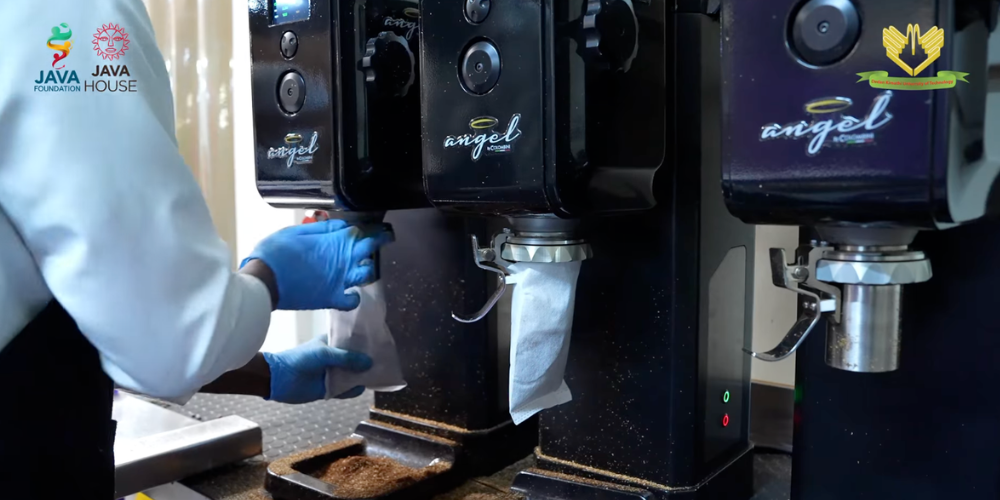
This is the gap that initiatives like the Java House Foundation’s NexGen Coffee Leaders Scholarship Programme are designed to close. The programme offers 35 young Kenyans, including women who have historically been excluded from formal in the sector, a fully funded opportunity to study coffee technology, quality management, and agronomy at the Dedan Kimathi University of Technology’s Coffee Technology Centre.

The scholars also receive a monthly stipend while they pursue their studies, laboratory access, mentorship under professionals drawn from across the value chain, and entry into an alumni network designed to connect graduates with employment and entrepreneurship opportunities in the sector.
Beyond providing the actual training opportunities, the programme’s value lies in the signal it sends. It demonstrates that coffee sector stakeholders can take meaningful responsibility for building the industry’s human capital. It also illustrates that investment in youth is a commercial and strategic imperative. A sector that cannot attract, train, and retain skilled professionals will eventually find that its place in the market will be difficult to defend.
Further, the economic argument is equally compelling. Value addition remains Kenya’s most underdeveloped coffee opportunity. Most of Kenya’s coffee is exported as raw or semi-processed beans, leaving the higher-margin work of roasting, blending, and branding to importing countries. Capturing more of that value locally requires the kind of processing, quality, and marketing expertise that structured training programmes can produce. Every trained professional who stays in the sector and works in a roastery, an export house, or a cooperative is a step towards a more lucrative domestic industry.
Kenya’s coffee reputation was built by farmers, processors, and traders who understood their craft deeply. Sustaining this success will require a new generation that understand not only the craft, but also the science, the business, and the global market in which Kenyan coffee competes. That generation exists, but it needs pathways, investment, and institutions willing to back it.
The survival of Kenya’s coffee sector will be decided by the labs, demo farms, and careers of young Kenyans who are given the knowledge and the opportunity to carry the industry forward. The question is whether the sector will invest in them before the expertise gap becomes a crisis from which it cannot recover.
By Priscilla Gathungu, CEO of the Java House Africa Group
Learn more about the Java NextGen Coffee Leaders Scholarship Programme and how to apply: https://javahouseafrica.com/java-nextgen-coffee-leaders-scholarship-programme/


